Reactions and irritation
Patch testing and what to do when a product stings
Reactions appear within hours or days, which is what makes a patch test work. How to introduce one product at a time and read the result.
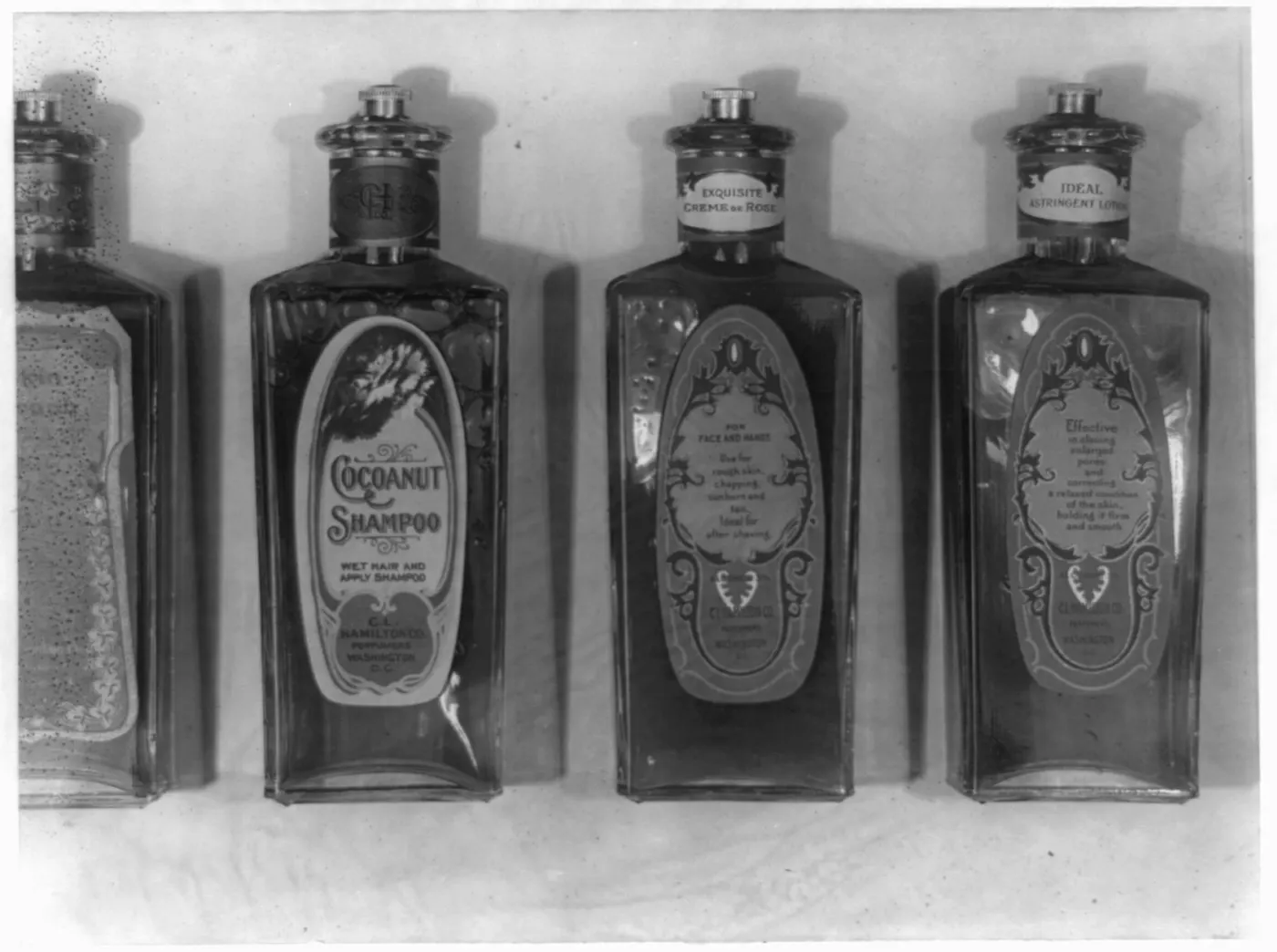
Most skincare regret is not about efficacy. It is about a product that stung, a rash that appeared a week into a new routine, and no way of telling which of the three things you started was responsible.
This guide is about the timing and the method that make that answerable. It is not medical advice and nothing on this site has been tested; what follows is the NHS's published description of how contact dermatitis behaves, the label elements that let you report a problem, and a way of introducing products that keeps the variables apart.
What the timing tells you
The NHS describes two separate things under contact dermatitis. Irritant contact dermatitis follows contact with substances such as soaps and detergents, solvents, or regular contact with water. Allergic contact dermatitis is less common and is an allergic reaction to substances found in products such as cosmetics, or to metals including nickel.
The useful fact for anyone introducing a product is that the reaction usually occurs within a few hours or days of exposure to the irritant or allergen. That window is short enough to test deliberately and long enough that a single application does not settle the question.
The NHS's first response is also specific: rinse the affected skin with warm water and an emollient as soon as possible after contact. Its standing advice is to check the ingredients on labels and to apply emollients frequently and in large quantities, which is only possible while the carton with the ingredient list still exists.
| When it appears | What the NHS associates with it | What to change first |
|---|---|---|
| Within minutes, settling within the hour | Contact with an irritant substance | Frequency, before deciding the product is unusable |
| Within a few hours to a few days | The usual window for contact dermatitis of either kind | Stop the single product introduced in that window |
| Only after several weeks of use | Outside the window the NHS describes for contact dermatitis | Look at cumulative frequency and at overlapping products |
| On the hands, with regular wet work | Soaps, detergents, solvents and regular contact with water | The washing pattern, not the face routine |
The NHS states that the reaction usually occurs within a few hours or days of exposure to an irritant or allergen; the middle column paraphrases its description of causes rather than diagnosing anything.
A patch test that actually isolates the product
A patch test only works if one thing changes. Apply the new product to one small area, use the same amount each time, apply once a day for 5 days, and change nothing else in the routine during those days. Choose an area that is easy to see and easy to leave alone, and keep the rest of the routine exactly as it was.
Five days covers the hours-to-days window the NHS describes with room either side. A single application does not, because an allergic reaction appearing on day two would be missed entirely by a test that ran for one evening.
Then introduce one product at a time with a gap between them. Two products started in the same week cannot be told apart by any reaction that follows, which means a reaction forces you to stop both and restart the whole sequence. A 7 to 14 day gap turns that into a single clear answer.
- Pick one small area and keep the rest of the routine unchanged
- Apply the same amount once a day for 5 days
- Write the date and the batch number from the carton on the same note
- If nothing appears in 5 days, introduce the product to the full area
- Leave 7 to 14 days before introducing anything else
- If a reaction appears, stop that one product and keep its carton
The batch number is the part that matters afterwards
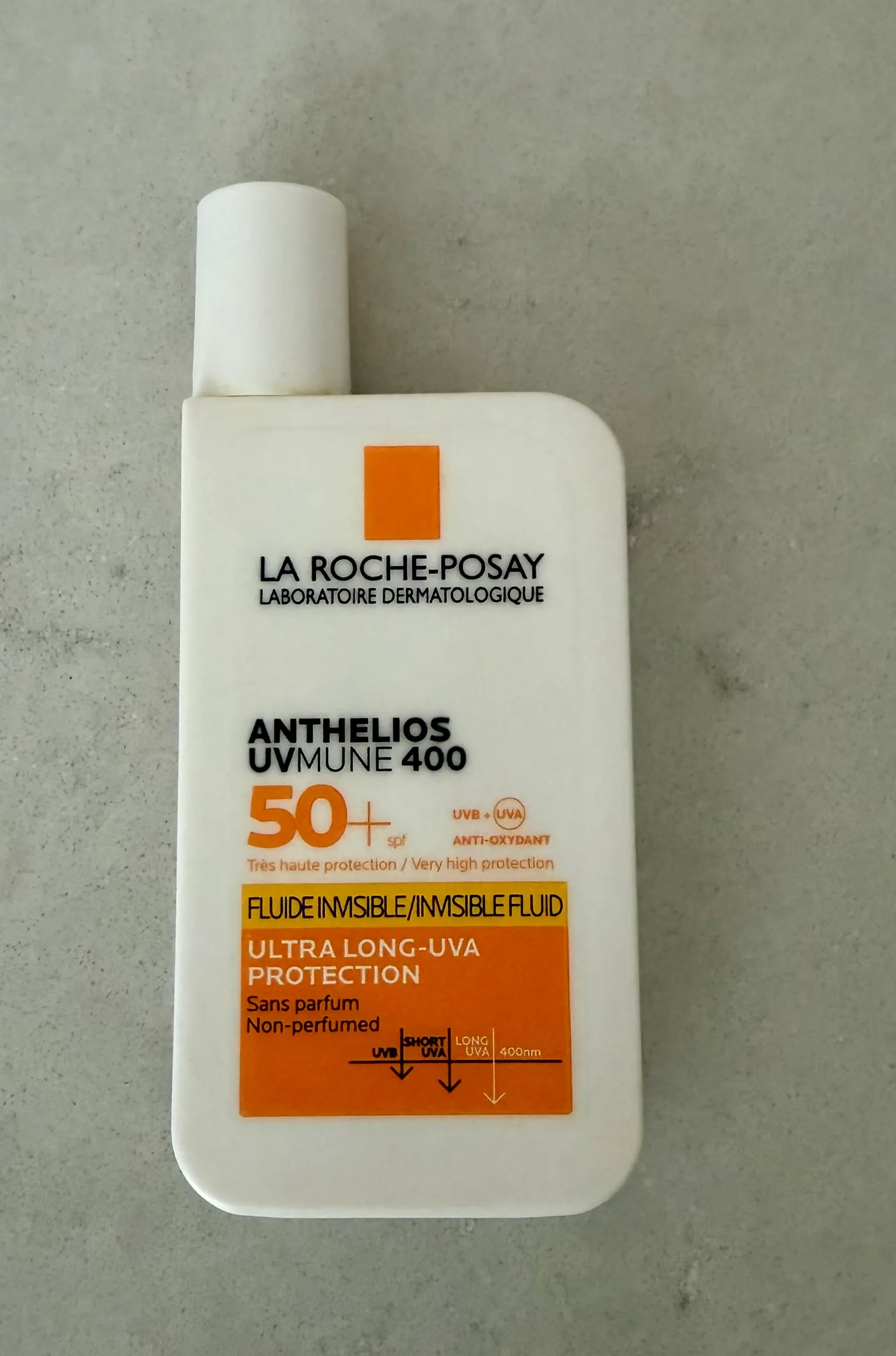
A cosmetic product sold to consumers in Great Britain must carry an identification number such as a batch number, along with the ingredients and the precautions for use. The Responsible Person named on that label has a duty to tell the Office for Product Safety and Standards about any serious harmful effects that are reported to them.
That chain only functions if you still have the number. Decanting a cream into a travel pot removes the batch number, the ingredient list and the precautions in one move, which is why the carton is worth keeping for as long as the product is in use rather than for as long as it looks tidy.
The same label is what makes the NHS's advice to check the ingredients on labels workable. If a reaction happens twice to two different products, the overlap between their two ingredient lists is the most useful thing you own, and it exists only on the packaging.
| Keep | What it gives you | Lost if you decant |
|---|---|---|
| The outer carton | Ingredient list and precautions for use | Yes |
| The batch or identification number | Ties a reaction to a production run | Yes |
| The open-jar months figure | Tells you when the product stopped being the tested product | Yes |
| The Responsible Person's details | Identifies who must report serious effects to OPSS | Yes |
| A dated note of what you started and when | Separates two products introduced close together | No |
When changing the routine has stopped being the answer
Some outcomes are not routine problems. A rash that spreads well beyond the area a product was applied to is not describing that product's contact area. A reaction that is still worsening 3 days after the product was stopped is not responding to the change you made. Broken skin, swelling or anything affecting the eyes sits outside what an adjustment to a routine addresses at all.
Where the pattern is on the hands and the work is wet, the NHS points at soaps and detergents, solvents and regular contact with water rather than at the face routine. Gloves help, though the NHS notes they should be removed periodically because sweating makes symptoms worse, and that an emollient applied frequently and in quantity is part of the response rather than an optional extra.
For everything else, the method in this guide is the one that produces information: one product, one area, 5 days, and a written note of the date and batch number. A routine changed three things at once produces a result nobody can read.
Before you buy
- Change one product at a time and leave 7 to 14 days between introductions
- Patch test on one small area, once a day, for 5 days
- Write the start date and the batch number on a note before you begin
- Keep the carton for as long as the product is in use
- Do not decant a product you are still testing, because the label stays on the carton
- If a reaction appears, stop that single product rather than the whole routine
- Treat spreading, swelling or worsening 3 days after stopping as beyond what a routine change addresses
Questions readers ask
- How long should a patch test run?
- Five days of once-daily application with nothing else changed. The NHS describes a contact dermatitis reaction as usually occurring within a few hours or days of exposure, so a single evening's test can finish before the window it is meant to cover has opened. Five days covers that span with margin at both ends.
- Is stinging the same as a reaction?
- Not necessarily. A sting that arrives within seconds and settles within the hour behaves like a response to contact with an irritant substance; redness or itching that appears hours or days later is the pattern the NHS describes for contact dermatitis. The first often responds to using the product less often, and the second means stopping it and keeping the carton.
- Can I patch test two products at once to save time?
- You can apply them to two separate areas, but a reaction then tells you which area rather than which ingredient, and shared ingredients are common across a range. Testing one at a time with a 7 to 14 day gap takes longer and produces an answer, which is the only outcome worth the 5 days.
- What should I do first if a product causes a reaction?
- The NHS advises rinsing the affected skin with warm water and an emollient as soon as possible after exposure to an irritant or allergen, stopping the product, and checking the ingredients on the label. Keeping the carton matters here, because the batch number and the ingredient list are the two things a later comparison depends on.
- Does 'hypoallergenic' on a carton mean it will not cause a reaction?
- It is a marketing claim rather than a label element required by law. Required elements are the Responsible Person, origin where imported, volume, the use-by date, precautions, a batch number, what the product does and the ingredients. Any claim beyond those is one the Responsible Person must be able to prove, and it is not a guarantee about your own skin.
Sources
- NHS — Contact dermatitis (causes, the hours-to-days window, rinsing with warm water and an emollient) — checked 2026-11-03
- GOV.UK — Making cosmetic products available to consumers in Great Britain (batch number on the label, reporting serious harmful effects to OPSS) — checked 2026-11-03
- Advertising Standards Authority — CAP Code section 3, substantiation of objective claims — checked 2026-11-03
Advertising is not enabled on this site yet. When it is, ads will be labelled and kept visually separate from the guides.