How to choose
How to choose a serum, cream or SPF from the label alone
A UK cosmetic label carries eight things by law. Here is what each one tells you, and which claims the seller has to be able to prove.
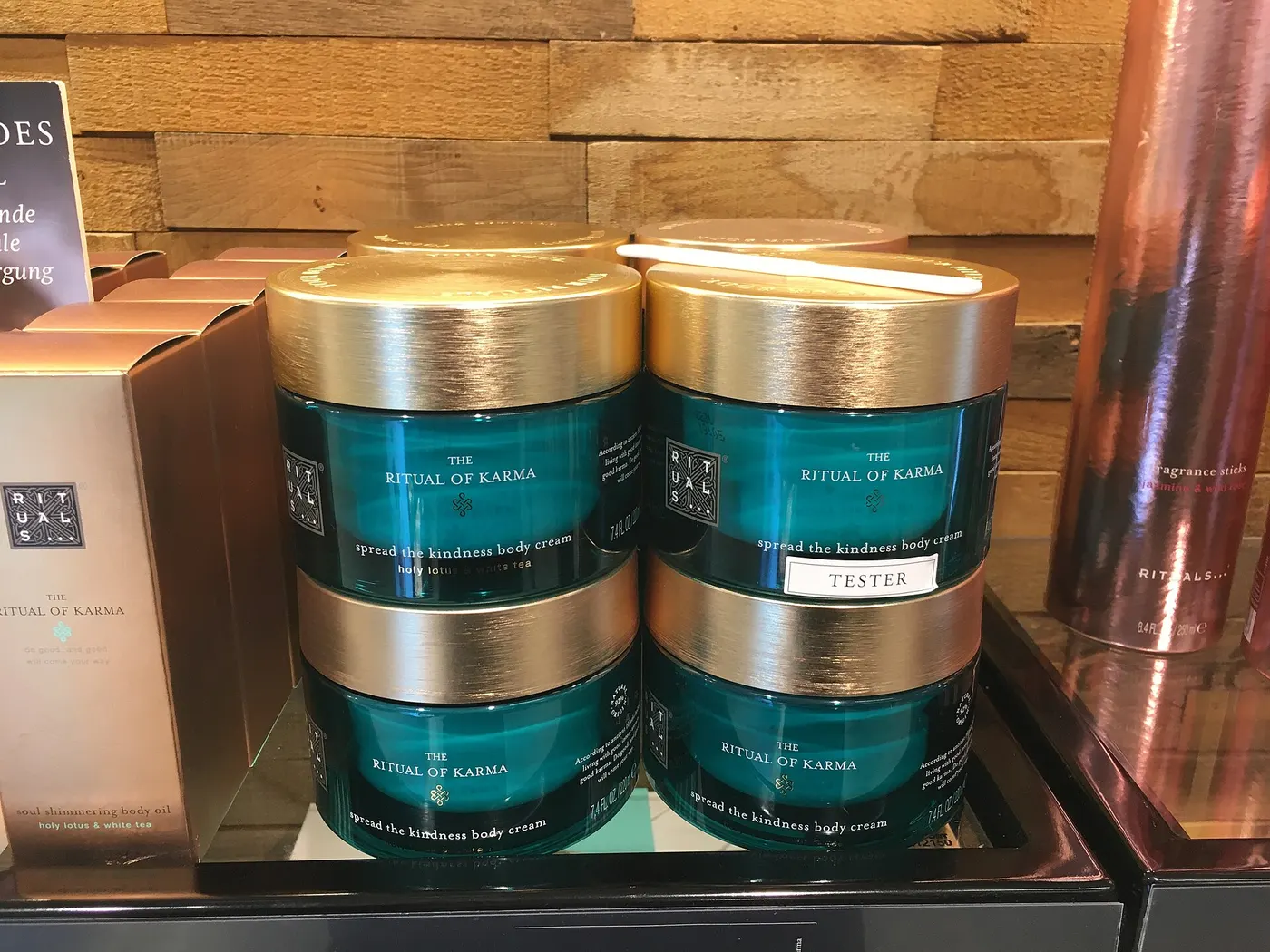
Skincare is sold on photography and bought on hope, but the part of the packaging that has to be true is the part nobody reads. A cosmetic product sold to consumers in Great Britain carries a fixed list of information by law, and that list answers more buying questions than the front of the carton ever does.
This guide goes through each required element and what it is useful for. Nothing on this site has been tested, no product is recommended by name, and there are no reviews or ratings here.
What the label has to carry
Under the rules that apply to cosmetic products made available to consumers in Great Britain, the container and packaging must show the name and address of the Responsible Person, the country of origin if the product is imported to the UK, the weight or volume, the date the product can be used until, any precautions for use, an identification number such as a batch number, what the product does, and the ingredients. Nanomaterials in the ingredient list have to be marked as (nano).
The Responsible Person is a named business or individual with a UK or EU address who carries the legal duties: knowing which ingredients are used, keeping a Product Information File, notifying the Office for Product Safety and Standards before the product reaches consumers, and telling OPSS about any serious harmful effects reported to them.
Two of those elements do real work when you are choosing. The ingredient list is ordered by quantity, so a named active that appears after the preservatives is present in a small amount. The batch number is the only way a reaction can later be tied to a specific production run, which is why the carton is worth keeping for as long as the product is.
| On the label | Required? | What to do with it |
|---|---|---|
| Responsible Person name and address | Yes | Identifies who carries the legal duties for the product |
| Country of origin, if imported to the UK | Yes | Tells you whether an import route has already paid UK tax |
| Weight or volume | Yes | Divide the price by it to get a price per millilitre |
| Date it can be used until | Yes | Read with the open-jar symbol for months after opening |
| Precautions for use | Yes | The clearest signal of a product that needs introducing slowly |
| Batch or identification number | Yes | The reference a reaction report needs later |
| What the product does | Yes | The claim the seller must be able to prove |
| Ingredients, with (nano) marked | Yes | Ordered by quantity, so position tells you roughly how much |
This is the list set out in the GOV.UK guidance on making cosmetic products available to consumers in Great Britain.
Claims have to be provable before they are printed
A marketing claim is not decoration. The Responsible Person must be able to prove that any claims made when marketing the product are correct, and products must not imply characteristics or functions they do not have. The evidence for the product's effects sits in the Product Information File, which must be kept for 10 years after the last batch was made available.
Advertising carries a second layer. The CAP Code requires that marketers hold documentary evidence before publication for claims consumers are likely to regard as objective and that are capable of objective substantiation, that marketing communications must not materially mislead, and that material information must not be omitted or presented so unclearly that a consumer is unlikely to see it.
The practical reading is to separate claims that could be proved from claims that could not. A stated percentage of an ingredient, a stated SPF, a stated test on a stated number of people — those are objective and someone holds a file on them. An adjective about radiance is not, and no file exists behind it.
- A named ingredient at a stated percentage is checkable; a named ingredient with no percentage is not
- An SPF figure is a measured value; 'high protection' on its own is a description
- 'Dermatologically tested' names a method, not a result, and does not say what the result was
- A Product Information File must be kept for 10 years after the last batch was supplied
- Claims consumers treat as objective need documentary evidence held before the advert runs
Sun protection is the one step with a published target
Most skincare decisions have no official benchmark. Sun protection does. The NHS advises using sunscreen with a sun protection factor of at least 30 and at least 4-star UVA protection, so two numbers on the front of the bottle settle whether a product clears the bar.
Quantity is part of the same advice and is where most sunscreens fail in use rather than in the lab. The NHS says adults should aim to apply around 6 to 8 teaspoons to cover the whole body, and to reapply every 2 hours, as well as straight after being in water even when the product is labelled water resistant.
The NHS also points to the symbol that governs how long any opened product lasts: an open jar with an M and a number, showing how many months the product will last once it has been opened. A sunscreen past its expiry date, or past that number of months, is not the product that was tested.
| On the bottle | Clears the NHS advice? | Why it matters |
|---|---|---|
| SPF 15, 4-star UVA | No | SPF is below the advised minimum of 30 |
| SPF 30, 3-star UVA | No | UVA rating is below the advised minimum of 4 stars |
| SPF 30, 4-star UVA | Yes | Meets both figures the NHS names |
| SPF 50, no UVA star rating shown | Not demonstrated | The second of the two figures is absent |
The NHS advises sunscreen of at least SPF 30 with at least 4-star UVA protection, applied at around 6 to 8 teaspoons for the whole body and reapplied every 2 hours.
A buying order that follows the label
Choose in the order of what each step has to do, not in the order the marketing arranges them. Cleansing has to remove without stripping, which is a texture and frequency question. Protection has to meet the two NHS numbers, which is a specification question with a clear pass mark. Everything in between is the part where the ingredient list and the claim rules matter most.
Within that middle band, compare like with like. Two serums of the same volume, at the same price, with the same named active at an undisclosed percentage, are not comparable on anything printed; two where one states a percentage are. Precautions for use are also worth more attention than their small type suggests, because a product with a stated precaution is telling you it needs introducing slowly.
Finally, let volume and the open-jar figure decide the size. A product with a 6-month figure bought in a size that will take you 10 months to use is a product you will throw away a third of, whatever the price per millilitre looked like at the till.

Before you buy
- Find the Responsible Person's name and address before anything else on the carton
- Read the ingredient list as a ranking, not as a recipe
- Divide the price by the stated volume to get a price per millilitre
- Check the open-jar symbol and write the opening date on the carton
- For sun protection, require both SPF 30 or higher and at least 4-star UVA
- Treat a stated precaution for use as an instruction to introduce the product slowly
- Keep the carton, because the batch number and the ingredient list live on it
Questions readers ask
- Does the order of the ingredient list tell me how much of something is in a product?
- It tells you the ranking rather than the amount. Ingredients are listed by quantity, so an active named after the preservatives and the thickeners is present in a small proportion. To know the figure itself you need the brand to state a percentage, which some do and most do not, and a stated percentage is a claim the Responsible Person must be able to prove.
- What does the open jar symbol with a number actually mean?
- It is the period after opening, expressed in months. The NHS describes it on sunscreen as an open jar with an M and a number showing how many months the product will last once it has been opened. It runs from the day you open it, not from the day you buy it, so writing the opening date on the carton is the only way to track it.
- Is an expensive serum better than a cheap one?
- Price is not one of the label elements that has to be true. What you can compare is volume, the ingredient list order, any stated percentages and the period after opening. The cost-per-use guide on this site turns price and volume into a figure per day, which is the comparison that survives a sale.
- Can a brand say a product is suitable for sensitive skin?
- It can make the claim, but under the CAP Code it must hold documentary evidence before publication for claims consumers would regard as objective and capable of objective substantiation. A suitability claim of that kind is exactly such a claim, so the useful follow-up is what evidence it rests on rather than whether the phrase appears.
- Why does the country of origin appear on some products and not others?
- It is required where the product is imported to the UK, so a product made in Great Britain carries no origin line. That is also why it is a useful signal when you are comparing a UK retail purchase with a direct import: the first has already been through a UK route, and the second has not.
Sources
- GOV.UK — Making cosmetic products available to consumers in Great Britain (label requirements, Responsible Person, 10-year Product Information File) — checked 2026-11-03
- NHS — Sunscreen and sun safety (at least SPF 30, at least 4-star UVA, 6 to 8 teaspoons, reapply every 2 hours) — checked 2026-11-03
- Advertising Standards Authority — CAP Code section 3, misleading advertising and substantiation — checked 2026-11-03
Advertising is not enabled on this site yet. When it is, ads will be labelled and kept visually separate from the guides.